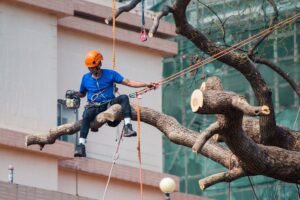
Tree cutting, also known as tree removal or tree felling, is a crucial aspect of arboriculture. Whether it’s for safety reasons, aesthetic purposes, or environmental management, understanding the intricacies of tree cutting is essential. In this comprehensive guide, we delve into the techniques, safety measures, and benefits associated with proficient tree cutting practices.
Understanding Tree Cutting
What is Tree Cutting?
Tree cutting involves the systematic removal of trees from a specific area. It encompasses various techniques aimed at efficiently and safely eliminating trees while considering factors like tree health, location, and surrounding environment.
Importance of Tree Cutting
Tree cutting serves multiple purposes, including mitigating safety hazards, promoting tree health, enhancing landscape aesthetics, and facilitating land development projects. By selectively removing trees, arborists can ensure the longevity of surrounding vegetation and maintain a harmonious ecosystem balance.
Types of Tree Cutting Techniques
- Tree Felling: This technique involves safely cutting down a tree in its entirety. Arborists assess the tree’s condition, plan the direction of its fall, and execute precise cuts to ensure a controlled descent.
- Tree Pruning: Pruning focuses on removing specific branches to improve tree structure, health, and appearance. It involves careful trimming of diseased, dead, or overgrown branches, promoting new growth and overall tree vitality.
- Crown Reduction: Crown reduction aims to reduce the size and spread of a tree’s canopy while maintaining its natural shape. By selectively removing branches, arborists alleviate weight stress, prevent property damage, and enhance tree aesthetics.
- Stump Removal: After felling a tree, removing the stump is essential to prevent regrowth, eliminate tripping hazards, and facilitate landscaping activities. Stump removal techniques include grinding or excavating the root system to ensure complete eradication.
- Pollarding: Pollarding is a pruning technique that involves removing upper branches to control tree size and shape. Commonly used in urban environments, pollarding promotes sustainable tree growth and reduces the risk of overhanging limbs.
Techniques for Efficient Tree Cutting
Tree Felling: Methods and Safety Measures
Tree felling requires meticulous planning and execution to avoid accidents and property damage. Professional arborists assess factors such as tree lean, surrounding obstacles, and wind direction before making strategic cuts to fell the tree safely.
Tree Pruning: Enhancing Tree Health and Aesthetics
Pruning is a fundamental aspect of tree maintenance, promoting air circulation, sunlight penetration, and nutrient distribution within the canopy. By removing dead or diseased branches, arborists improve tree health, reduce the risk of disease spread, and enhance visual appeal.
Crown Reduction: Managing Tree Size and Shape
Crown reduction techniques involve selectively removing branches to reduce the overall size and weight of a tree’s canopy. By maintaining proper balance and structure, arborists mitigate the risk of limb failure, improve tree stability, and preserve surrounding landscapes.
Stump Removal: Eradicating Tree Remnants Safely
Stump removal is essential for reclaiming land, preventing regrowth, and eliminating tripping hazards. Arborists utilize specialized equipment, such as stump grinders or excavators, to remove stumps efficiently while minimizing disturbance to the surrounding environment.
Pollarding: Controlling Tree Growth and Longevity
Pollarding is a time-honoured technique used to manage tree size and shape in urban settings. By regularly pruning upper branches, arborists control tree growth, reduce maintenance costs, and prolong the lifespan of mature trees.
Safety Precautions in Tree Cutting
Personal Protective Equipment (PPE)
Arborists must wear appropriate PPE, including helmets, eye protection, gloves, and chainsaw-resistant clothing, to safeguard against potential hazards like falling debris and chainsaw kickback.
Risk Assessment and Hazard Mitigation
Before commencing tree cutting operations, arborists conduct thorough risk assessments to identify potential hazards, such as power lines, nearby structures, and unstable terrain. By implementing mitigation measures and safety protocols, they minimize the risk of accidents and injuries.
Working with Professional Arborists
Tree cutting is a specialised field that requires expertise, experience, and adherence to industry standards. Hiring certified arborists ensures the safe and efficient removal of trees while prioritizing environmental stewardship and community safety.
Benefits of Proper Tree Cutting
Promoting Tree Health and Growth
Proper tree cutting techniques, such as pruning and crown reduction, promote optimal tree health, encourage new growth, and prolong the lifespan of mature trees. By removing dead or diseased branches, arborists enhance tree vitality and resilience to environmental stressors.
Preventing Property Damage and Hazards
Timely tree cutting helps mitigate the risk of property damage caused by falling limbs, root encroachment, and structural instability. By proactively addressing potential hazards, arborists safeguard homes, infrastructure, and public spaces from costly repairs and safety risks.
Enhancing Aesthetic Appeal of Landscapes
Well-maintained trees contribute to the visual appeal and value of residential, commercial, and municipal landscapes. Through strategic pruning and canopy management, arborists create visually pleasing tree shapes, promote symmetry, and accentuate architectural features.
Environmental Impact of Tree Cutting
Sustainable Tree Management Practices
Arborists employ sustainable tree management practices, such as selective pruning and replanting initiatives, to minimize ecological impact and preserve biodiversity. By prioritizing tree health and habitat conservation, they support healthy ecosystems and mitigate the effects of deforestation.
Replanting and Reforestation Initiatives
In conjunction with tree cutting activities, arborists advocate for replanting and reforestation initiatives to offset carbon emissions, combat climate change, and restore degraded landscapes. By planting native tree species and establishing green corridors, they promote environmental sustainability and ecosystem resilience.
Balancing Human Needs with Ecological Preservation
Effective tree cutting practices strike a balance between meeting human needs for development and preserving natural ecosystems. Arborists collaborate with stakeholders to implement sustainable land management strategies, protect endangered species habitats, and foster coexistence between urban infrastructure and wildlife.
In conclusion, mastering tree cutting requires a combination of technical expertise, safety consciousness, and environmental stewardship. By adopting best practices and working with certified arborists, individuals and communities can ensure the responsible management of trees while reaping the numerous benefits they provide.